Top 8 Attractions in Kegalle District
From world-famous wildlife to off-the-beaten-path adventures — here is everything worth seeing.

Pinnawala Elephant Orphanage
Established in 1975 by Sri Lanka's Department of Wildlife Conservation, Pinnawala is home to the largest herd of captive elephants in the world — over 90 individuals at last count. The orphanage was originally created to care for abandoned and injured elephants found in the wild.
The undisputed highlight is the twice-daily river bath, when the entire herd walks in a procession through the village streets down to the Ma Oya river. Watching 90+ elephants splash, play, and roll in the water is a sight you genuinely won't find anywhere else on earth.
- River Bath Times: 10:00 AM and 2:00 PM daily
- Entry: ~LKR 3,000 (foreign adults) / LKR 250 (locals)
- Location: Pinnawala village, ~12 km from Kegalle town
Arrive at least 30 minutes before the river bath — the river bank fills up fast! We can drop you at the entrance and pick you up after your visit. Ask us about combining Pinnawala with the Mawanella spice gardens for a full day out.

Bible Rock (Bathalegala)
One of Sri Lanka's most recognisable silhouettes, Bathalegala — nicknamed "Bible Rock" by British colonialists for its uncanny resemblance to an open book — dominates the Kegalle skyline. The rock stands at roughly 1,096 metres above sea level and is visible from kilometres away on a clear day.
The hike to the base and summit takes around 2–3 hours round trip and passes through secondary jungle, rubber estates, and natural rock faces. The flat summit plateau rewards hikers with uninterrupted 360° views of the entire Sabaragamuwa Province — on a clear day you can even see Kandy in the distance.
- Difficulty: Moderate (some steep sections near summit)
- Best time: Early morning (6–9 AM) for cooler temperatures and cloud-free views
- Gear: Closed-toe shoes, 1.5L water, sun protection essential
We drop off hikers at the trail head near Kitulgala Road early in the morning and return when you call. The drive through the back roads of Kegalle to reach the trailhead is beautiful in itself — waterfalls, paddy fields, and villages most tourists never see.
Mawanella Spice Gardens
Sri Lanka has been famous for its spices since the Arab traders of the 9th century, and the area around Mawanella is one of the country's richest spice-growing zones. Guided tours take you through living gardens where you can see cinnamon, cardamom, black pepper, cloves, nutmeg, turmeric, and ginger growing in their natural state.
Knowledgeable guides explain each plant's role in traditional Ayurvedic medicine, demonstrate how cinnamon bark is hand-rolled into the quills you see in supermarkets, and offer samples to taste. Most gardens have well-stocked shops selling oils, teas, and fresh produce at prices far lower than Colombo boutiques.
- Duration: Guided tour ~45–60 minutes
- Entry: Usually free (income from shop sales)
- Open: Daily, 8:00 AM – 5:00 PM
We know three great family-run spice gardens that haven't gone "touristy" — the demos are authentic and the prices are honest. Ask us to include one on your way to or from Pinnawala.
Saradiel Village & Uthuwankanda
Sri Lanka's version of Robin Hood, Saradiel (Saradiel the Outlaw, 1832–1864) was a bandit who robbed wealthy colonial merchants and, legend has it, distributed the spoils among the rural poor. He operated from the rocky wilderness of Uthuwankanda in Kegalle District and became a folk hero whose story is still told in schools and films today.
Today, Saradiel Village is a heritage theme park that recreates the 19th-century environment he inhabited: colonial-era buildings, period tools, traditional crafts, and re-enacted storytelling sessions. It's educational and immersive, especially for children and history buffs.
- Ideal for: Families, school groups, history enthusiasts
- Duration: 1–2 hours
The rocky outcrop of Uthuwankanda itself is viewable from the A1 highway. On clear days the formation is dramatic against the skyline — ask your driver to point it out and stop for a photo.
Kitulgala — Sri Lanka's Adventure Capital
Technically straddling the Kegalle–Nuwara Eliya border, Kitulgala is the go-to destination for white water rafting in Sri Lanka. The Kelani River runs fast and clear through dense rainforest here, providing Grade 2–3 rapids that are thrilling but accessible even for first-timers.
Beyond rafting, Kitulgala offers canyoning, cliff jumping, river kayaking, and jungle trekking. Film buffs should note that Kitulgala was the location used for the Academy Award-winning 1957 film The Bridge on the River Kwai — the original bridge piers are still visible in the river.
- Rafting season: Year-round; best Oct–April (higher water)
- Packages: From ~LKR 3,500/person including gear
- From Kegalle: ~40 minutes by road
Book your rafting operator in advance on weekends. We can drive you to Kitulgala, wait while you raft, and continue to Kandy or back to Colombo — creating a perfect adventure day.
Rambukkana Railway Station
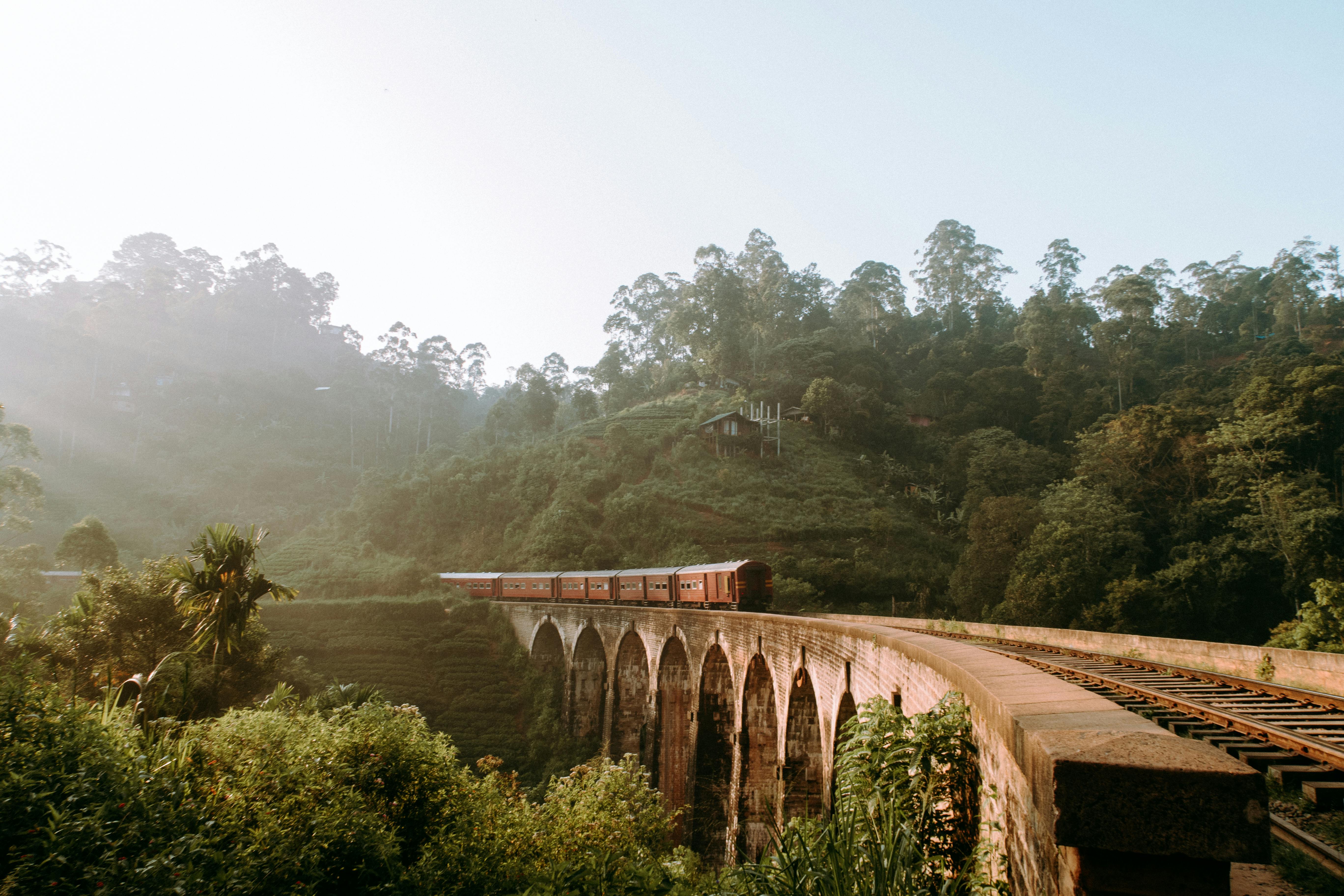
Rambukkana, just inside the Kegalle District boundary, is where the famous scenic hill country train makes its most dramatic departure. From Rambukkana, the train begins its steep climb through breathtaking mountain scenery toward Kandy — a section so steep that for over a century it required rack-and-pinion technology.
Even if you're not catching a train, the station is a fantastic photography spot. Watch the colonial-era steam locomotives during festival seasons, or simply observe daily Sri Lankan life on the platforms — vendors, monks, schoolchildren, and farmers all pass through in a vivid daily parade.
We can drop you in Rambukkana to catch the scenic train to Kandy, and pick up the rest of your group — or your luggage — by road. Best of both worlds!

Dedugala Rajamaha Viharaya
Deep in the forests above Kegalle town lies Dedugala Rajamaha Viharaya, one of the oldest cave temples in the Sabaragamuwa Province. The temple complex is carved into natural rock faces and contains ancient murals dating back several centuries, along with large reclining Buddha statues and meditation caves still used by monks today.
The winding forest road to the temple passes through rubber and tea estates and offers gorgeous valley views. This is the kind of place most tourists simply never find — but locals know it well as a site of deep religious significance.
Ask us specifically for the Dedugala forest road route — most GPS systems don't map it correctly. This is where local knowledge makes all the difference. Dress modestly (shoulders and knees covered) and bring an offering of flowers.

Kegalle Town & Morning Market
Kegalle town itself is a vibrant, authentic Sri Lankan market town that most tourists never step out of their vehicle to explore. The early morning pola (market) — held on Wednesdays and Saturdays — is a sensory explosion of fresh produce, spices, street food, and local colour.
Try a kottu roti for breakfast at a roadside kade, browse fresh king coconuts and mangoes, and watch the daily rhythms of a real Sri Lankan town. The main bazaar street has excellent small restaurants serving authentic rice and curry at a fraction of tourist-area prices.
If you're up for it, we'll take you to our own favourite breakfast spot before heading to Pinnawala. Nothing beats a fresh pol roti with coconut sambol and a cup of Ceylon tea to start the day.